
کیت کاتتر وریدی مرکزی چگونه از طریق هم افزایی اجزای مختلف به اهداف پزشکی می رسد؟
تجزیه و تحلیل اجزای اصلی کیت
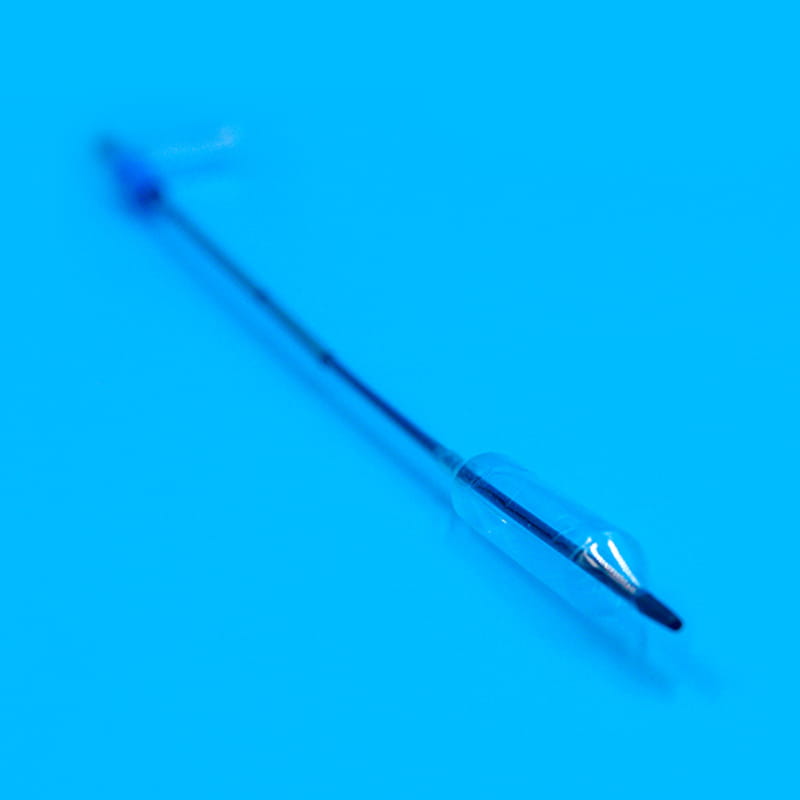
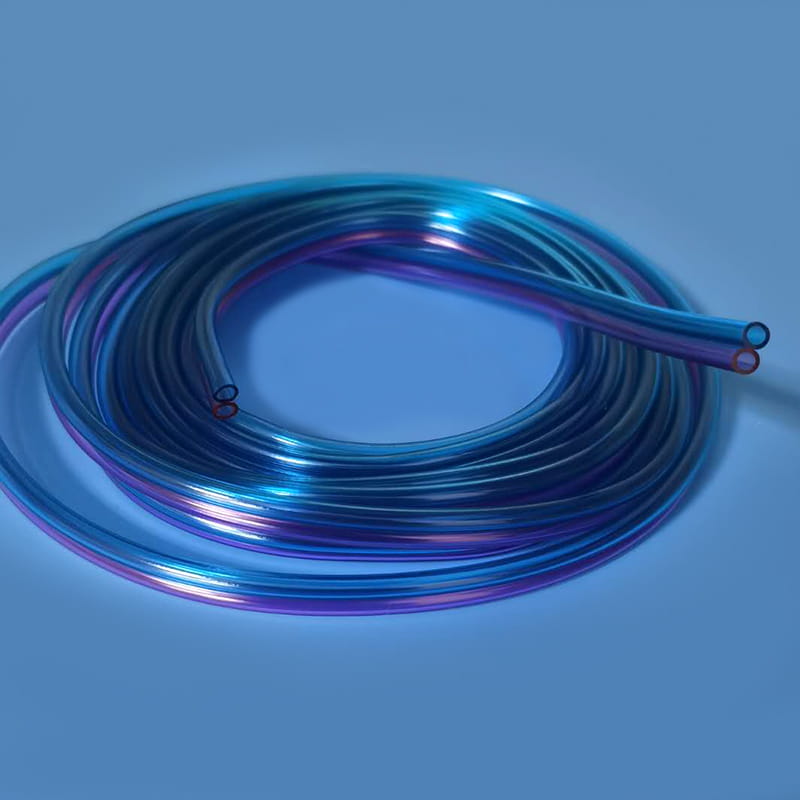
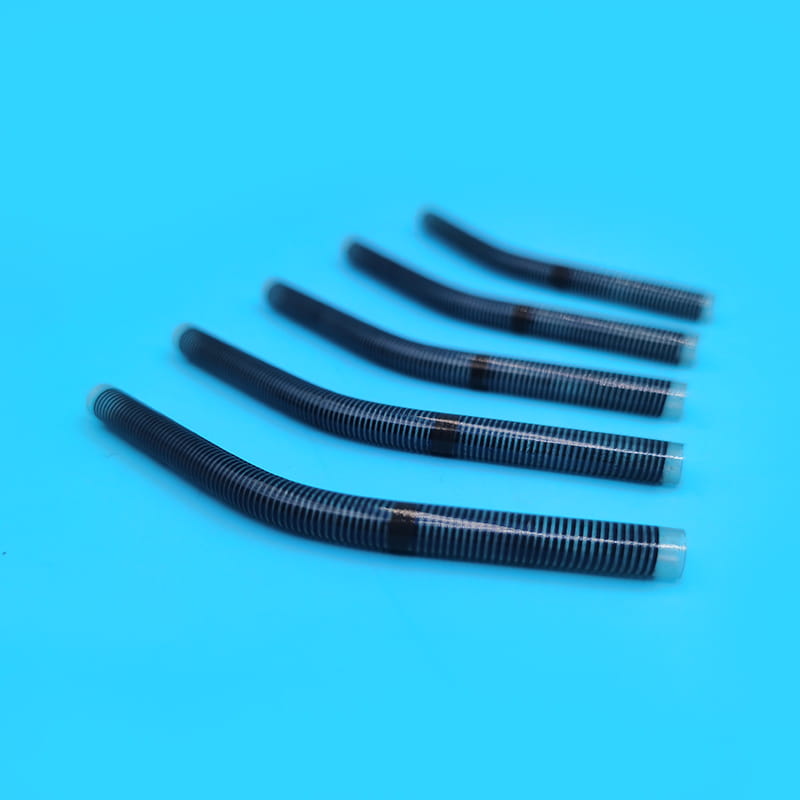
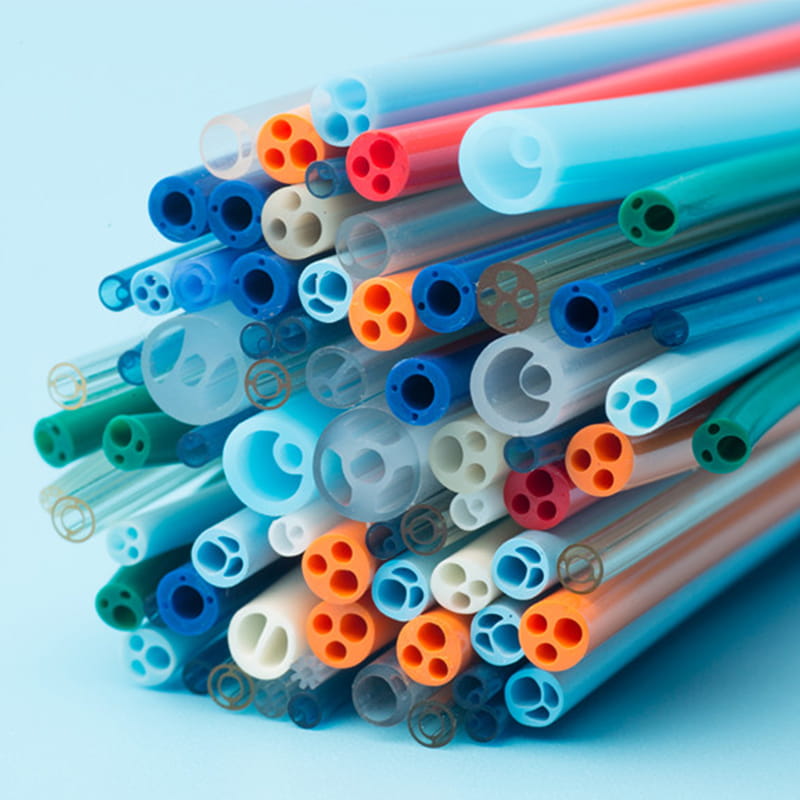
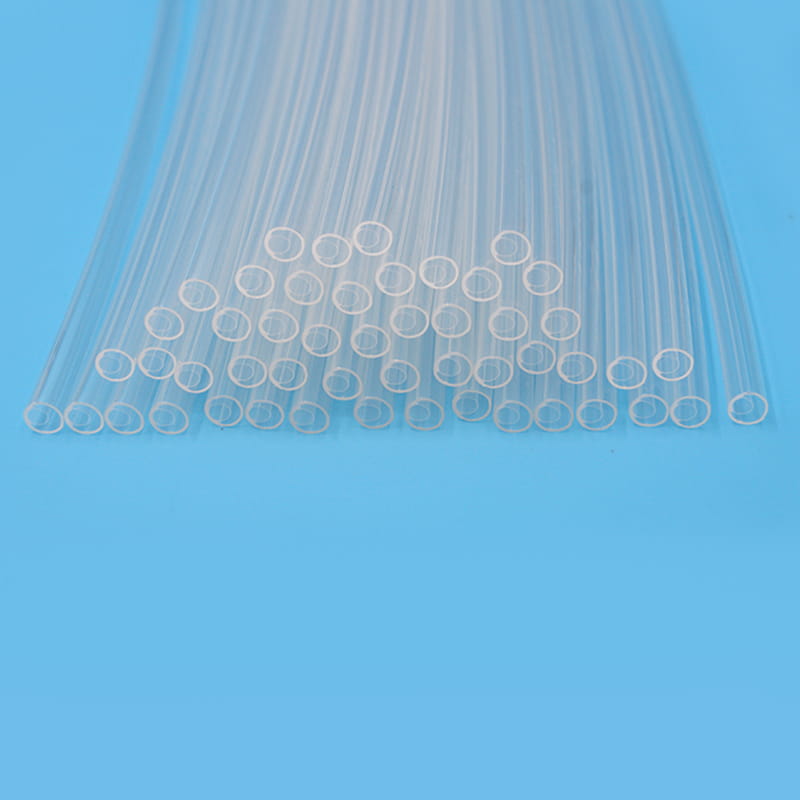
در کیت کاتتر وریدی مرکزی شامل انواع مؤلفه های کلیدی است که هر یک از آنها نقش منحصر به فرد و غیر قابل تعویض در کل فرآیند عملکرد پزشکی دارند. اولین سوند وریدی مرکزی است که جزء اصلی کیت است و کانال است که ورید مرکزی را به خارج از بدن و داخل بدن متصل می کند. مواد آن معمولاً از پلی اورتان درجه پزشکی یا سیلیکون ساخته شده است. چنین مواد زیست سازگاری خوبی دارند و می توانند به طور موثری رد بدن از بدن خارجی را کاهش داده و خطر عوارض مانند عفونت را کاهش دهند. انواع مختلفی از کاتترهای وریدی مرکزی ویژگی های خاص خود را در ساختار و عملکرد دارند. کاتترهای تک لومن برای نیازهای یک نفره مناسب هستند ، در حالی که کاتترهای دو لومن یا چند لومن می توانند انواع مختلفی از عملیات پزشکی مختلف را به طور همزمان انجام دهند ، مانند تزریق ، جمع آوری خون و دارو ، که باعث افزایش کارایی و راحتی عملیات پزشکی می شود. از نظر طراحی ، برخی از سطوح سوند با روکش های ویژه برای تقویت بیشتر خواص ضد ترومبوتیک درمان می شوند. برخی از آنها همچنین با مقیاس برای تسهیل کادر پزشکی برای درک دقیق عمق درج مشخص شده اند.
در cannula plays a pioneering role in the central venous catheter kit. When performing a central venous catheter insertion operation, the cannula is first used for percutaneous puncture into the vein. Its needle tip adopts a bevel cutting process. This design is sharp and precise, and can quickly and accurately penetrate the skin and vein wall with minimal resistance, opening a channel for the entry of subsequent components. The needle core and outer sleeve of the cannula needle are closely matched. When the cannula needle successfully enters the vein, the inner needle core is removed through a special separation mechanism, and the outer sleeve with a certain hardness and flexibility will remain in the vein as a guide channel for subsequent guide wires and other components to enter. To ensure the accuracy of puncture, some cannula needles are also equipped with ultrasound guidance adapters, which can be used with ultrasound equipment to observe the puncture path and blood vessel status in real time.
در guidewire is a key tool for precise positioning and guidance in the central venous catheter kit. After the cannula needle establishes the initial channel, the guidewire will be sent into the vein through the cannula. The outer layer of the guidewire is usually woven from medical-grade stainless steel wire, and the inner layer is a nickel-titanium alloy core. This structure gives the guidewire good flexibility and maneuverability. Doctors can use the J-shaped or straight head design of the guidewire tip to flexibly turn and guide it in the blood vessel through in vitro operation, and accurately send it to the target position. Some high-end guidewires also have a hydrophilic coating, which becomes lubricated after contact with blood, further reducing friction damage to the inner wall of the blood vessel. The existence of the guidewire makes the insertion path of the central venous catheter clearer and more controllable, laying a solid foundation for the smooth insertion of the subsequent catheter.
در role of the dilator in the central venous catheter kit should not be ignored. Since the diameter of the vein is relatively thin, and the central venous catheter needs to be smoothly inserted, it is necessary to properly dilate the vein. The dilator usually adopts a conical or cylindrical design, and the material is mostly medical-grade polyethylene. It can enter the vein along the guidewire and expand the channel of the venous puncture site by gradually expanding. During the expansion process, the smooth surface treatment and gradual caliber design of the dilator can reduce damage to the venous tissue while ensuring effective expansion. For special patients, such as those with thin blood vessel walls or sclerosis, there are also special controllable dilators available, and doctors can accurately adjust the expansion strength and range according to actual conditions.
در peelable sheath is an important part of the central venous catheter kit to ensure the safe insertion of the catheter. After the dilator completes the dilation of the vein, the peelable sheath will be sent into the vein along the guidewire and dilator. The peelable sheath consists of two symmetrical half sheaths connected by a special locking structure in the middle. When the peelable sheath reaches the appropriate position, the central venous catheter will be inserted into the vein through the sheath. At this time, the medical staff will separate the peelable sheath from the middle lock and remove it from the body through a specific operation technique, while the central venous catheter will be left in the vein. This unique design not only ensures the smooth catheter insertion process, but also avoids unnecessary damage to the vein and catheter. To prevent accidental scratches on the surrounding tissue when the sheath is peeled off, the edge of the sheath is specially rounded and blunted.
در fixing device plays a role in stabilizing and fixing the catheter in the central venous catheter kit. In order to ensure that the central venous catheter can maintain a stable position in the patient's body for a long time without displacement or falling off, fixing devices such as sutures, sterile dressings or special catheter fixers will be used to fix the catheter to the patient's skin. The suture fixation method is suitable for patients with long-term catheterization. The catheter is fixed to the skin tissue through delicate suturing operations; the sterile dressing is breathable, waterproof and antibacterial, and can effectively protect the puncture site; the dedicated catheter fixator is made of medical-grade silicone or polymer materials, and can be personalized according to the patient's skin morphology and catheter model through an adjustable buckle design. Appropriate fixation can not only ensure the normal function of the catheter, but also reduce the discomfort and potential risks caused to the patient by the movement of the catheter.
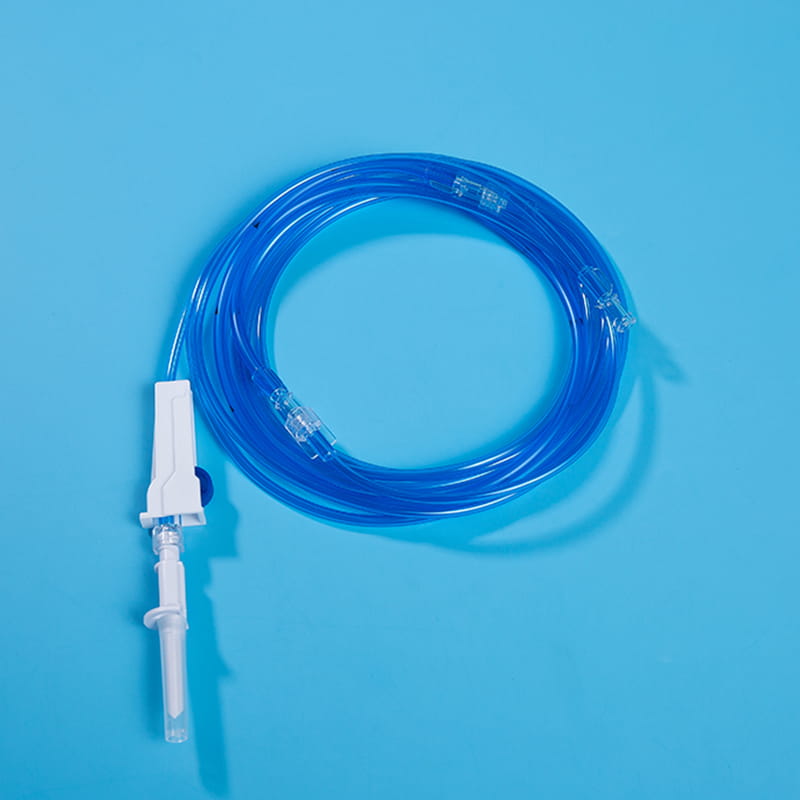
در interface for external connection is the bridge between the central venous catheter and external medical equipment. Through these interfaces, the central venous catheter can be connected to infusion sets, syringes and other equipment to achieve various medical operations such as infusion, drug administration, and blood collection. The design of these interfaces has good sealing and compatibility, and common ones include Luer connectors and needleless infusion connectors. The Luer connector is connected by threads to ensure a tight connection without leakage; the needleless infusion connector adopts a diaphragm design, which can complete the infusion operation without acupuncture, reducing the risk of infection. At the same time, some interfaces also have anti-backflow function to prevent blood from reflux and blocking the catheter, and support multiple devices to be connected at the same time to meet complex clinical needs.
طیف گسترده ای از سناریوهای کاربردی بالینی
در کاربردهای پزشکی واقعی ، سناریوهای استفاده از کیت های کاتتر وریدی مرکزی بسیار گسترده است. در زمینه مراقبت های ویژه ، برای بیمارانی که شرایط بحرانی دارند که به مقدار زیادی تزریق و داروهای مکرر نیاز دارند ، کاتترهای وریدی مرکزی می توانند یک کانال تزریق سریع و پایدار را برای تأمین نیازهای بیماران برای مایعات و داروها فراهم کنند. با استفاده از بیماران مبتلا به شوک سپتیک به عنوان نمونه ، در طی فرآیند نجات ، مقدار زیادی از مایعات کریستالوئید ، مایع کلوئیدی و داروهای وازوآمتی باید در مدت زمان کوتاهی تکمیل شوند. کاتتر وریدی مرکزی می تواند اطمینان حاصل کند که این مایعات و داروها به سرعت وارد گردش خون می شوند و وضعیت شوک را به سرعت اصلاح می کنند. در عین حال ، نظارت همودینامیکی نیز می تواند از طریق سوند وریدی مرکزی انجام شود. پزشک سنسور فشار را به رابط سوند وصل می کند تا پارامترهایی مانند فشار وریدی مرکزی و فشار گوه شریان ریوی را در زمان واقعی بدست آورد ، که به پزشکان کمک می کند تا عملکرد قلب و وضعیت گردش خون بیمار را در زمان واقعی درک کنند و مبنای مهمی برای تدوین برنامه های دقیق درمان فراهم می کنند.
در درمان تومور ، بسیاری از داروهای شیمی درمانی برای رگ های خونی بسیار تحریک کننده هستند و تجویز از طریق رگهای محیطی ممکن است باعث عوارضی مانند فلبیت شود. کیت کاتتر وریدی مرکزی می تواند یک سوند را در ورید مرکزی قرار دهد و به داروهای شیمی درمانی اجازه می دهد تا مستقیماً وارد رگ های خونی بزرگ شوند و به سرعت رقیق شوند ، از این طریق باعث کاهش تحریک به رگ های خونی ، کاهش احتمال عوارض و بهبود تحمل درمان بیماران و انطباق می شوند. به عنوان مثال ، بیماران مبتلا به سرطان پستان که داروهای شیمی درمانی بسیار تحریک کننده ای مانند دوکسوروبیسین دریافت می کنند می توانند از کاتترهای وریدی مرکزی استفاده کنند تا به طور مؤثر از عواقب جدی مانند نکروز پوستی و زخم بافت ناشی از خارج شدن دارو جلوگیری کنند. در عین حال ، برای بیمارانی که نیاز به شیمی درمانی طولانی مدت و متعدد دارند ، کاتترهای وریدی مرکزی درد سوراخ های مکرر را کاهش داده و تداوم درمان را بهبود می بخشند.
علاوه بر این ، در درمان پشتیبانی تغذیه ای ، از کاتترهای وریدی مرکزی می توان برای حمایت کامل از تغذیه تزریقی برای بیمارانی که نمی توانند از طریق دستگاه گوارش ، مانند بیماران مبتلا به کما طولانی مدت و سوختگی شدید ، تغذیه کافی مصرف کنند ، استفاده شود. با استفاده از محلول مغذی با محوریت بالا ، کالری بالا از طریق رگ مرکزی می تواند نیازهای بدن بیمار را برای مواد مغذی برآورده کرده و بهبودی بیمار را ترویج کند. به عنوان نمونه ، بیماران مبتلا به سوختگی گسترده ، عملکرد دستگاه گوارش آنها به دلیل تروما سرکوب می شود و آنها نمی توانند به طور عادی غذا را هضم و جذب کنند. در این زمان ، محلول مواد مغذی همه در یک حاوی اسیدهای آمینه ، امولسیون چربی ، گلوکز و سایر مواد از طریق سوند وریدی مرکزی برای حفظ تعادل نیتروژن بیمار ، انرژی مورد نیاز بدن را دوباره پر کرده و باعث تسریع در بهبود زخم می شود. در عین حال ، کادر پزشکی همچنین می توانند از طریق سوند وریدی مرکزی بر الکترولیت های بیمار ، قند خون و سایر شاخص ها نظارت داشته و برنامه پشتیبانی تغذیه ای را به موقع تنظیم کنند.
روشهای عملیاتی دقیق و استاندارد
در operating procedures of the central venous catheter kit need to strictly follow the specifications and standards. Before the operation, the doctor needs to conduct a comprehensive assessment of the patient's condition, including the patient's age, weight, underlying diseases, coagulation function, etc., and select the appropriate puncture site and central venous catheter type. Common puncture sites include the internal jugular vein, subclavian vein and femoral vein. Different sites have their own advantages and disadvantages, and they need to be carefully selected according to the specific situation of the patient. At the same time, detailed explanations and communication should be given to the patient, and the patient should be informed of the operation process, possible risks and key points of cooperation to obtain the patient's cooperation. During the operation, the principle of aseptic operation must be strictly followed. The puncture site must be disinfected with iodine more than three times, and the diameter of the disinfection range must not be less than 15 cm. A large sterile sheet must be laid to ensure that the entire operation is carried out in a sterile environment. Then follow the steps of trocar puncture, guide wire insertion, dilation with a dilator, insertion of a removable sheath, insertion of a central venous catheter, fixation of the catheter, and connection of an external interface. Taking internal jugular vein puncture as an example, under ultrasound guidance, after determining the puncture point, the trocar is inserted at an angle of 30-45 degrees. After seeing the blood return, it is confirmed that it is in the vein, and then the subsequent components are inserted according to the process. After the operation is completed, the patient needs to be closely observed and cared for, and the patient must be monitored for complications and treated in a timely manner. This includes observing whether the puncture site is red, swollen, or exuded, and changing the dressing regularly; monitoring the patient's body temperature, blood routine, and other indicators to determine whether an infection has occurred; evaluating the function of the catheter to ensure smooth infusion, blood collection, and other operations.
چالش ها و خطرات با آن روبرو است
اگرچه کیت های کاتتر وریدی مرکزی نقش مهمی در زمینه پزشکی ایفا می کنند ، اما در هنگام استفاده نیز با برخی از چالش ها و خطرات روبرو هستند. عفونت یکی از شایع ترین عوارض کاتترهای وریدی مرکزی است. از آنجا که سوند برای مدت طولانی در بدن باقی مانده است ، حمله باکتری ها و سایر میکروارگانیسم ها آسان است که باعث عفونت موضعی یا عفونت سیستمیک شود. باکتری ها به طور عمده از طریق استعمار پوست در محل سوراخ ، آلودگی کانکتور سوند و آلودگی سیستم تزریق وارد بدن می شوند. ترومبوز همچنین مشکلی است که نمی توان آن را نادیده گرفت. سوند ممکن است اندوتلیوم عروقی موجود در رگ خونی را تحریک کند و باعث تغییر در انعقاد خون شود و در نتیجه ترومبوس ایجاد شود. پس از اتمام ترومبوس ، ممکن است باعث ایجاد عوارض جدی مانند آمبولی ریوی شود. علاوه بر این ، مشکلاتی مانند انسداد کاتتر و جابجایی نیز ممکن است بر استفاده عادی و اثر درمانی کاتتر وریدی مرکزی تأثیر بگذارد. انسداد سوند ممکن است در اثر رسوب دارو ، انعقاد خون و غیره ایجاد شود. جابجایی سوند ممکن است مربوط به عواملی مانند فعالیت نادرست بیمار و تثبیت شل باشد. $
For more information, please call us at +86-18913710126 or email us at .
لوله پلی آمید در مهندسی تجهیزات پزشکی مدرن ضروری شده است. از کاتترهای کم تهاجمی گرفته تا ا...
آشنایی با لوله های محافظ غلاف راهنما FEP روش های پزشکی کم تهاجمی با کاهش ...
A لوله پمپ پریستالتیک پزشکی یک جزء تخصصی انتقال مایع است که برای تحویل دقیق، استریل...
تکامل فناوری تجسم کاتتر روش های کم تهاجمی اساساً پزشکی مدرن را متحول کرده است و جراحان و...
درک کاتترهای پزشکی در مراقبت های بهداشتی مدرن دستگاههای پزشکی انقلابی در مراقبت از بیما...
یک کاتتر مستقیم به بیشتر راه هوایی میرسد، اما آخرین سانتیمتر به شاخه تراکئوستومی یا مسیر د...